
Morphology of Decline
Introduction

There exists a profound morphological correspondence between what has come to be known, since Oswald Spengler, as the “decline of the West,” and the long unraveling of Iranian civilization following the Arab-Muslim conquest and the later Turco-Mongol invasions.

This morphological homology emerges most clearly in the aesthetic transfiguration of decline by the high literature of both civilizations. This is not a matter of superficial resemblance or historical coincidence. It is the sign of a deeper affinity: a shared way of sensing decline, of narrating destiny, of translating civilizational disintegration into symbols, myths, and literary forms. These converging patterns will be gathered here under a single name: Iranian-Western declineology.
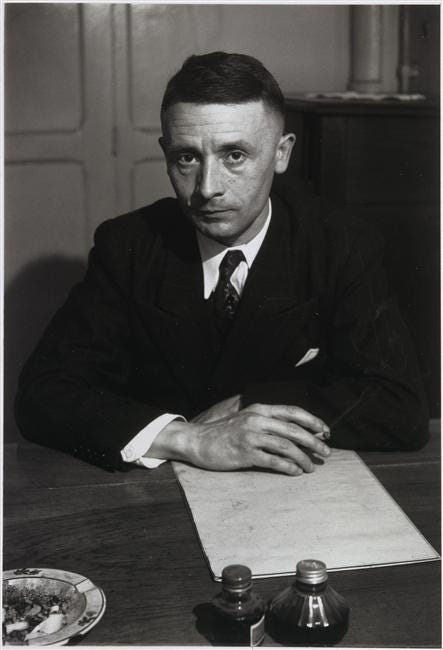
At the heart of this inquiry lies the same traumatic encounter — the clash with the periphery, experienced by two regions that, before the fall of Iran in the seventh century, still traced the fading contours of a relatively unified Indo-European world. In the Western case, Michel Houellebecq’s Submission stands as a terminal crystallization of civilizational anxiety, a literary consummation of the fear of replacement, absorption, and loss. In the Iranian case, Sadeq Hedayat’s The Blind Owl emerges as the most harrowing and inexhaustible expression of a civilization confronting its own eclipse.
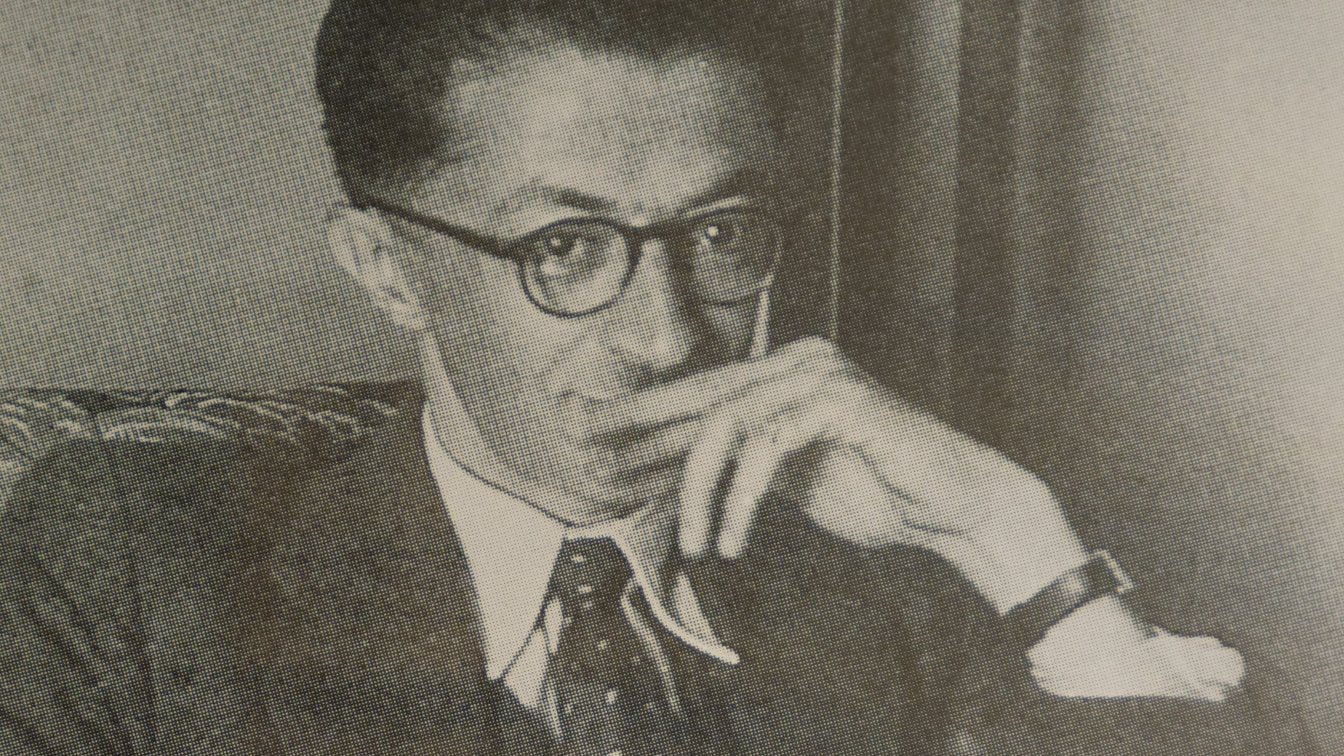
Around this shared axis of civilizational confrontation, we will uncover a common semiotic and narrative machinery — a grammar of decline that operates beneath a deep time gap. The same motifs reappear, with uncanny persistence, in Julien Gracq’s The Opposing Shore, as well as across a wider constellation of literary and philosophical works. Their recurrence strengthens the central intuition guiding this project: that beneath Iranian and Western meditations on decline there operates a single civilizational subconscious, older than modernity, resistant to denial, and inexorably drawn toward the imagination of its own end. This subconscious does not merely reflect historical collapse — it prepares for it, gives it form, and renders it thinkable long before the ruins become visible as such.